Description
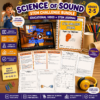
Bring sound to life in your classroom with this interactive STEM + Science bundle designed to help students truly understand how sound works—not just memorize it.
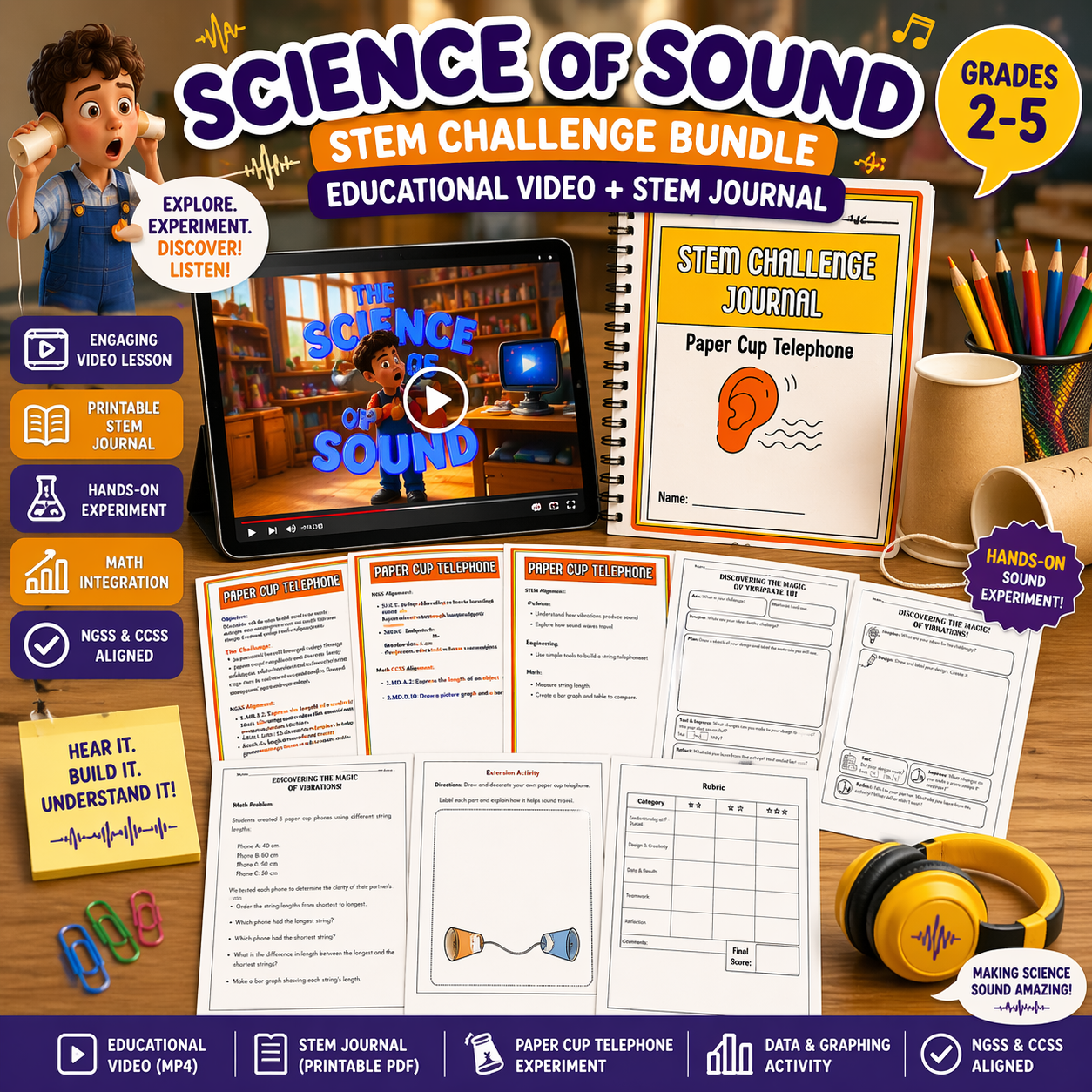
This resource combines:
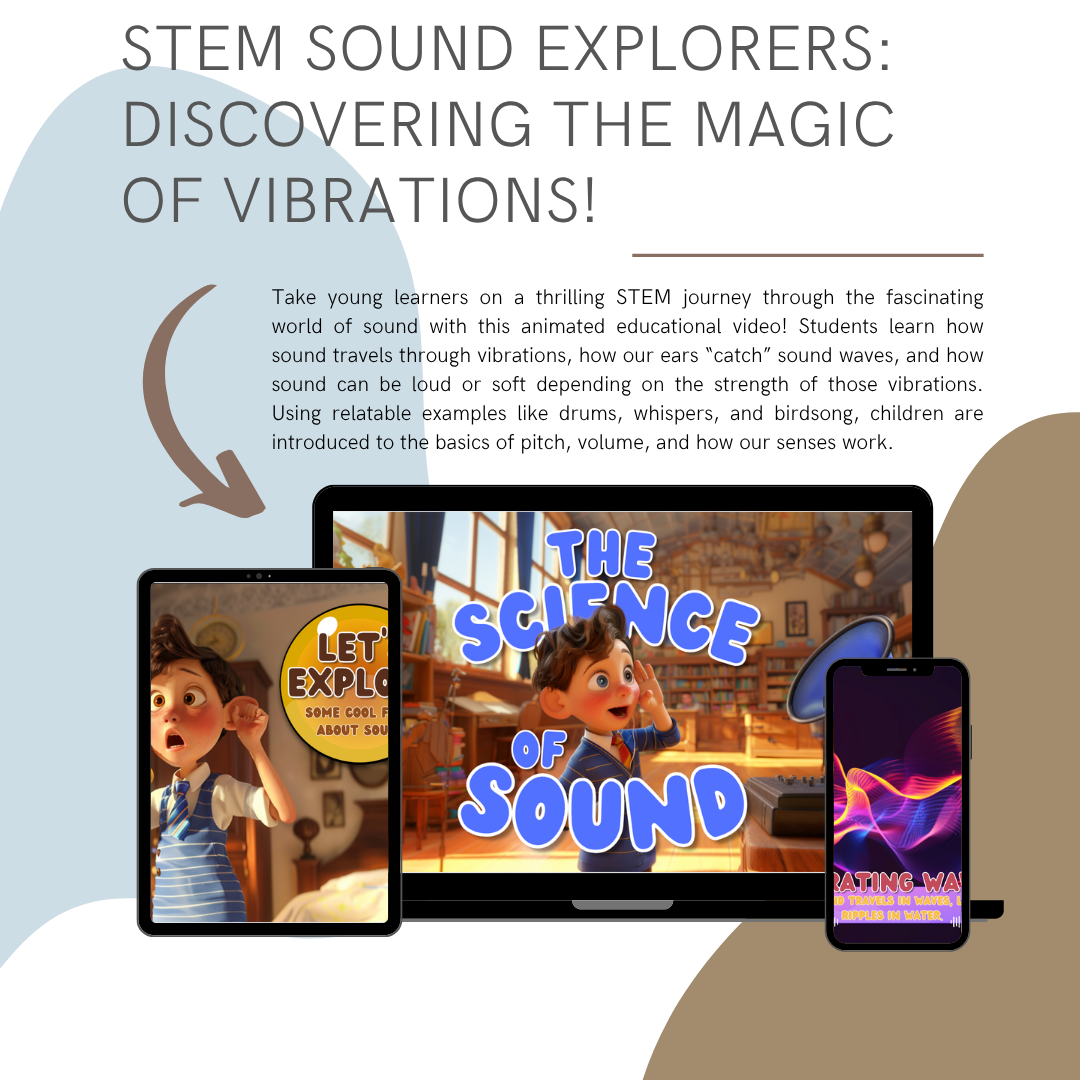
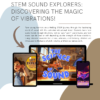
A visually engaging educational video (The Science of Sound)
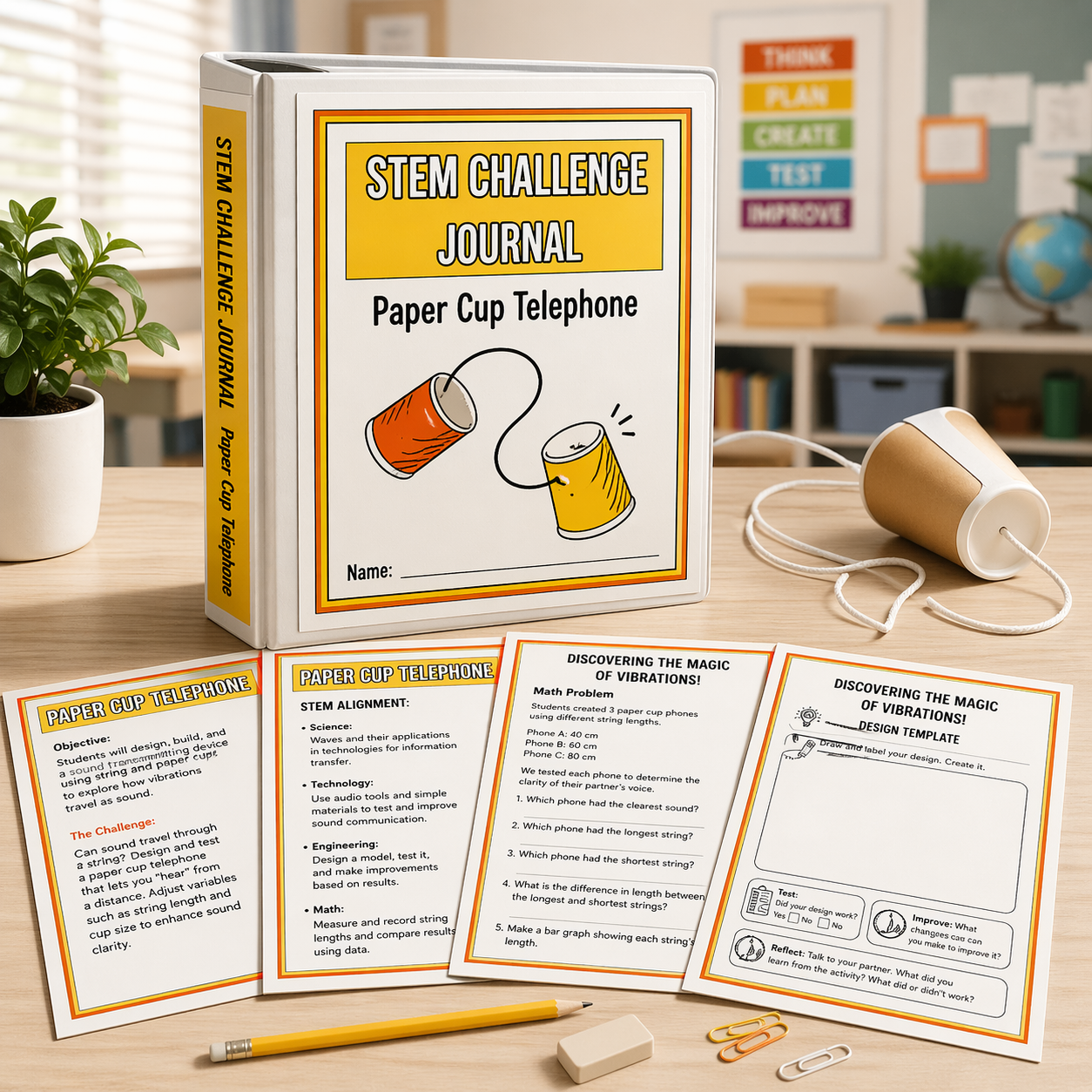
A structured STEM Challenge Journal
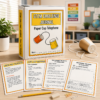
A hands-on experiment (Paper Cup Telephone)
Integrated math, reflection, and engineering tasks
Students will investigate the following:
- How sound travels through vibrations
- How pitch and volume work
- How materials affect sound transmission
- Real-world communication systems
Through the engineering design process (Ask → Imagine → Plan → Create → Test → Improve), students design and test their own working communication device using simple materials.
💡 This isn’t just an activity—it’s a full inquiry-based learning experience aligned with NGSS and CCSS.
WHAT’S INCLUDED
Educational Video (MP4)
- “The Science of Sound”
- Covers:
- Vibrations
- How we hear
- Pitch & volume
- Real-life examples
STEM Challenge Journal (Printable PDF)
- Cover page
- Objective & challenge page
- NGSS + CCSS aligned explanation pages
- STEM learning content
- Structured templates:
- Ask / Imagine / Plan
- Design & draw
- Test & improve
- Reflection page
Hands-On Experiment
Math Integration Page
Extension Activity
PERFECT FOR
- Primary teachers (Grades 2–5)
- STEM/science lessons
- Inquiry-based classrooms
- Homeschooling parents
- Project-based learning (PBL)
- Sub plans or ready-to-go lessons
- STEM days / science centers
Perfect For:
- Elementary classrooms (Grades 1–4)
- Homeschool learning
- Science centers and stations
- Distance learning and flipped classrooms
- Parents supporting learning at home
Science NGSS Alignment:
- 1-PS4-1: Plan and conduct investigations to provide evidence that vibrating materials can make sound and that sound can make materials vibrate.
- 1-PS4-4: Use tools and materials to design and build a device that uses light or sound to solve a problem of communicating over a distance.
- 4-PS4-1: Develop a model of waves to describe patterns in terms of amplitude and wavelength.
- 3-PS2-2: Make observations to provide evidence that energy can be transferred through sound
- PS4.A: Wave Properties
- PS4.B: Electromagnetic Radiation (intro to wave behavior concepts)
Math CCSS Alignment:
- 2.MD.D.10 – Represent and interpret data
- 3.MD.B.4 – Generate and analyze measurement data
- 3.MD.C.7 – Measurement & problem solving
- 4.MD.A.1–2 – Measurement and conversion
- MP2, MP4 – Reasoning & modeling